
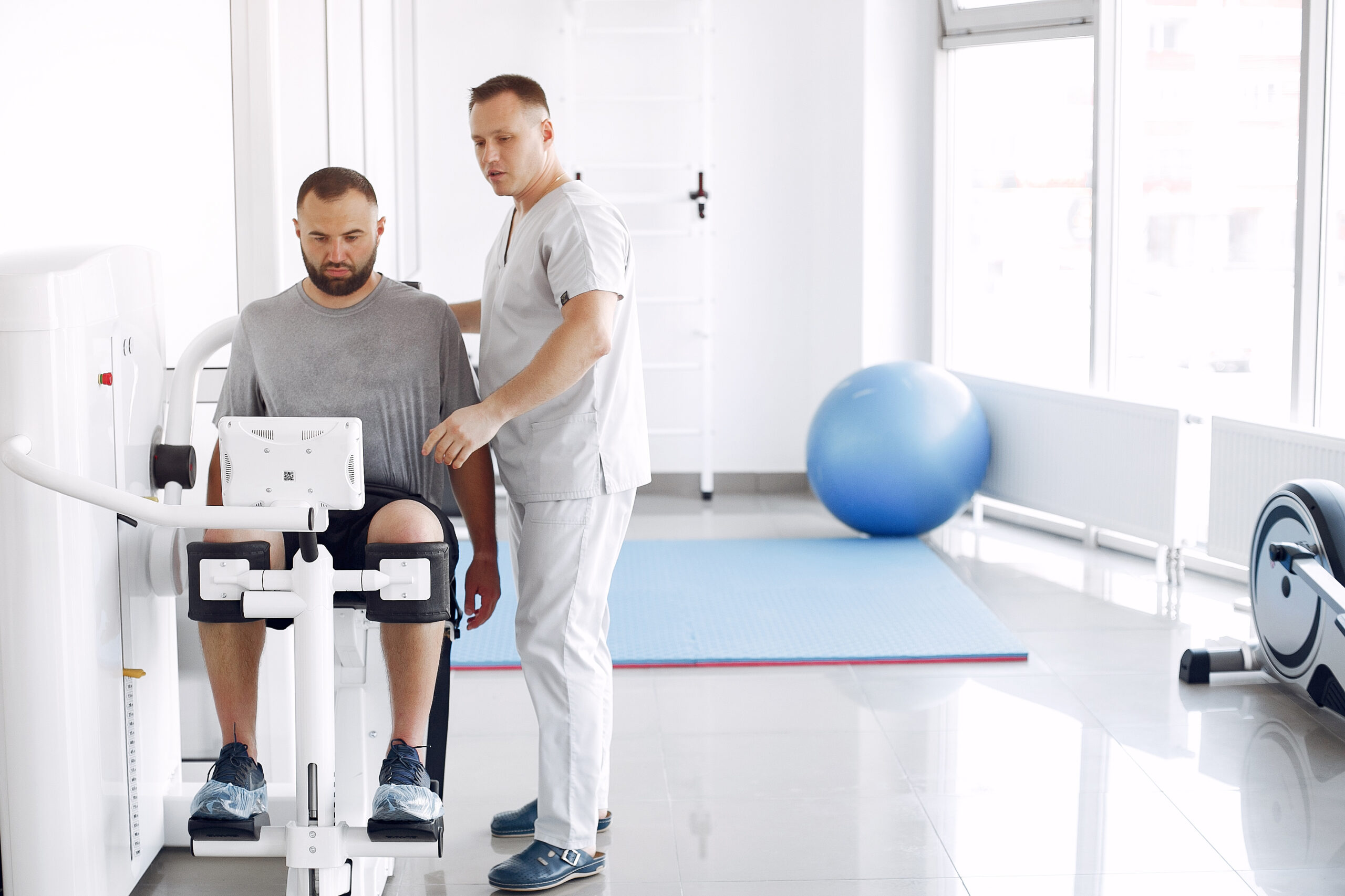
Physical Therapy and Rehabilitation

Table of Contents

Physical Therapy and Rehabilitation is a branch of medicine that aims to improve, maintain, or restore individuals’ physical functions, mobility, and quality of life. It typically plays a role in treating functional disorders caused by musculoskeletal, nervous system, and various systemic diseases. This discipline offers a holistic approach, alongside drug and surgical treatments, to enable patients to independently perform daily living activities. Through personalized treatment programs, physical therapy and rehabilitation aims to reduce pain, increase muscle strength, improve joint mobility, and enhance balance.

What is Physical Therapy and Rehabilitation?

Physical Therapy and Rehabilitation (PTR) is a medical specialty focused on managing physical limitations and pain resulting from congenital or acquired illnesses, injuries, or traumas. This field aims not only to alleviate existing discomfort but also to prevent disease progression and enable patients to achieve maximum functionality. PTR employs a multidisciplinary approach, taking into account the patient’s overall health, psychological state, and social environment.

Physical therapy and rehabilitation (FTR) programs are managed by a team of specialists from various fields, including physiotherapists, physical therapy and rehabilitation physicians, occupational therapists, ergotherapists, hydrotherapists, and speech therapists. This team creates and implements the most appropriate treatment plan according to the patient’s needs. Treatment methods include various techniques such as manual therapy, electrotherapy, exercise programs, heat and cold applications, and robotic rehabilitation.

What diseases does Physical Therapy and Rehabilitation treat?

The physical therapy and rehabilitation department offers solutions to a wide range of health problems, including the treatment of functional losses resulting from old age, sports injuries, traffic accidents, chronic diseases, and surgical operations. The main disease groups addressed by physical therapy and rehabilitation are as follows:

Musculoskeletal Diseases

Neck and Back Pain

Neck and back pain, one of the most common health problems today, is often caused by factors such as poor posture, prolonged immobility, muscle spasms, herniated discs, or degenerative joint diseases. Physical Therapy and Rehabilitation (FTR) offers specialized exercises and manual therapy methods aimed at reducing pain, strengthening muscles, and increasing flexibility.

Osteoarthritis (Joint Degeneration)

Osteoarthritis is a chronic condition caused by the wear and tear of cartilage in the joints due to aging or overuse. Physical therapy and rehabilitation (PTR) uses exercise and physical agents to manage pain, maintain joint mobility, and reduce the load on the joints by strengthening muscles.

Fibromyalgia

It is a chronic pain syndrome that manifests itself with widespread body pain, fatigue, sleep disturbances, and cognitive problems. Physical therapy and rehabilitation (FTR) uses personalized exercise programs, massage therapies, and relaxation techniques to alleviate these symptoms.

Rheumatic Diseases

Inflammatory diseases such as rheumatoid arthritis and ankylosing spondylitis can lead to permanent joint damage and functional losses. The physical therapy and rehabilitation department focuses on reducing pain and stiffness caused by inflammation, preserving joint range of motion, and enabling patients to perform daily activities more easily.

Sports Injuries

Anterior cruciate ligament injuries, meniscus tears, shoulder and elbow injuries are examples of muscle, tendon, and ligament damage. Physical Therapy and Rehabilitation (FTR) offers a comprehensive rehabilitation program to help athletes return to the field as quickly and safely as possible after an injury. These programs aim to regain muscle strength, increase flexibility, and reduce the risk of recurrence.

Osteoporosis

Balance and coordination exercises are performed to manage the risk of fractures resulting from decreased bone density and to reduce the patient’s risk of falls.

Neurological Diseases

Stroke

Stroke, caused by blockages or bleeding in the brain’s blood vessels, results in paralysis that severely restricts patients’ mobility. Physical therapy and rehabilitation (FTR) uses modern methods such as intensive and repetitive exercises, robotic rehabilitation, and gait training to help patients regain lost functions.

Spinal Cord Injuries

These are conditions such as paraplegia or quadriplegia that occur after spinal cord injuries resulting from trauma. The physical therapy and rehabilitation department aims to preserve muscle strength, manage spasticity, and help patients relearn daily living activities in order to increase their level of independence.

Multiple Sclerosis (MS)

It is a chronic disease affecting the central nervous system. Physical therapy and rehabilitation (FTR) implements personalized exercise programs to alleviate symptoms such as fatigue, balance problems, and difficulty walking in patients.

Parkinson's Disease

It is a neurodegenerative disease that causes disorders of movement, balance, and coordination. The physical therapy and rehabilitation department helps the patient gain more control over their movements, improve balance, and reduce the risk of falls.

Post-amputation rehabilitation

Individuals who have experienced limb loss undergo specialized programs to prepare them for prosthetic use, increase muscle strength, and adapt to daily living activities.

Pediatric rehabilitation

Special programs are implemented for childhood developmental disorders such as spina bifida, cerebral palsy, and congenital muscle diseases.

Geriatric rehabilitation

Common age-related balance problems, fall risk reduction, and management of issues such as osteoporosis and muscle loss are achieved.

What treatments are used in a Physical Therapy and Rehabilitation Program?

Physical therapy and rehabilitation programs are created by combining various methods according to the patient’s needs and the type of ailment. Treatments are generally administered by physiotherapists under the evaluation and guidance of a physical therapy specialist. The main goal of these programs is to reduce pain, increase mobility, restore muscle strength, and maximize the patient’s quality of life.

Exercise therapy

Exercise is the most fundamental and important component of physical therapy programs. Through exercise programs specifically designed for the patient’s condition, muscle strength is increased, joint range of motion is improved, and balance and coordination skills are enhanced. These exercises can be performed using manual resistance, resistance bands, or specialized equipment.

Manual therapy

These are specialized treatment techniques performed by a physiotherapist using their hands. Musculoskeletal pain and functional disorders are treated using methods such as joint mobilization, massage, myofascial release, and nerve mobilization.

Physical agents (device therapies)

These are various technological devices used to reduce pain, decrease inflammation, and accelerate the healing process. Methods such as electrotherapy, ultrasound, laser, magnetic field therapy, and hydrotherapy fall into this category. These devices support treatment by affecting muscles and tissues in different ways.

Robotic rehabilitation

These are advanced technological methods used to restore walking and arm/hand function, particularly in neurological diseases such as stroke and spinal cord injuries. Robot-assisted systems facilitate the brain and nervous system’s relearning process by providing repetitive and accurate movements.

Hydrotherapy (water therapy)

These exercises are performed in heated pools or special water tanks. The buoyancy of the water reduces body weight, relieving pressure on the joints and allowing patients with pain to exercise. The resistance of the water can also be used to increase muscle strength.

Orthotic and prosthetic applications

These are assistive devices used to improve patients’ mobility or to replace a lost limb. The physical therapy team provides the necessary training and guidance to ensure the patient uses these devices most effectively.

How does the physical therapy and rehabilitation process work?

The physical therapy and rehabilitation (FTR) process begins with a comprehensive assessment of the patient. A physical therapy and rehabilitation specialist reviews the patient’s medical history, performs a physical examination, and orders imaging tests such as X-rays and MRIs if necessary. Based on this assessment, the patient’s condition and needs are determined, and a personalized treatment plan is created.

Evaluation Phase

The patient’s pain level, range of motion, muscle strength, and functional capacity are examined in detail.

Creating a Treatment Plan

The physician and physiotherapist create a program that includes exercises, physical therapy modalities (devices), and other therapies necessary for the patient to achieve their goals.

Implementation Phase

The physiotherapist works one-on-one with the patient, implementing exercises and treatment methods. This process continues with regular sessions.

Training and Consulting

The patient is given information about exercises they can do at home, as well as correct posture and movement techniques. This is critical to increasing the effectiveness of the treatment.

Monitoring and Evaluation

Treatment progress is monitored regularly, and plans are updated according to the patient’s development.

This process aims not only at physical recovery but also at the patient’s psychological and social rehabilitation. Physical therapy and rehabilitation is an approach that focuses not only on physical symptoms but also on holistically improving the individual’s quality of life.

What does the Physical Therapy and Rehabilitation Department cover?

The physical therapy and rehabilitation department deals with a wide range of functional impairments, pain syndromes, and movement limitations. Its main areas of focus include musculoskeletal disorders (herniated discs, osteoarthritis, fibromyalgia), neurological disorders (stroke, spinal cord injuries, Parkinson’s disease, multiple sclerosis), orthopedic rehabilitation (post-fracture, post-meniscus surgery, etc.), rheumatic diseases, and pediatric rehabilitation.

Get Expert Advice

Connect with our experts to learn about the process, get your questions answered, and receive step-by-step guidance designed for your needs.